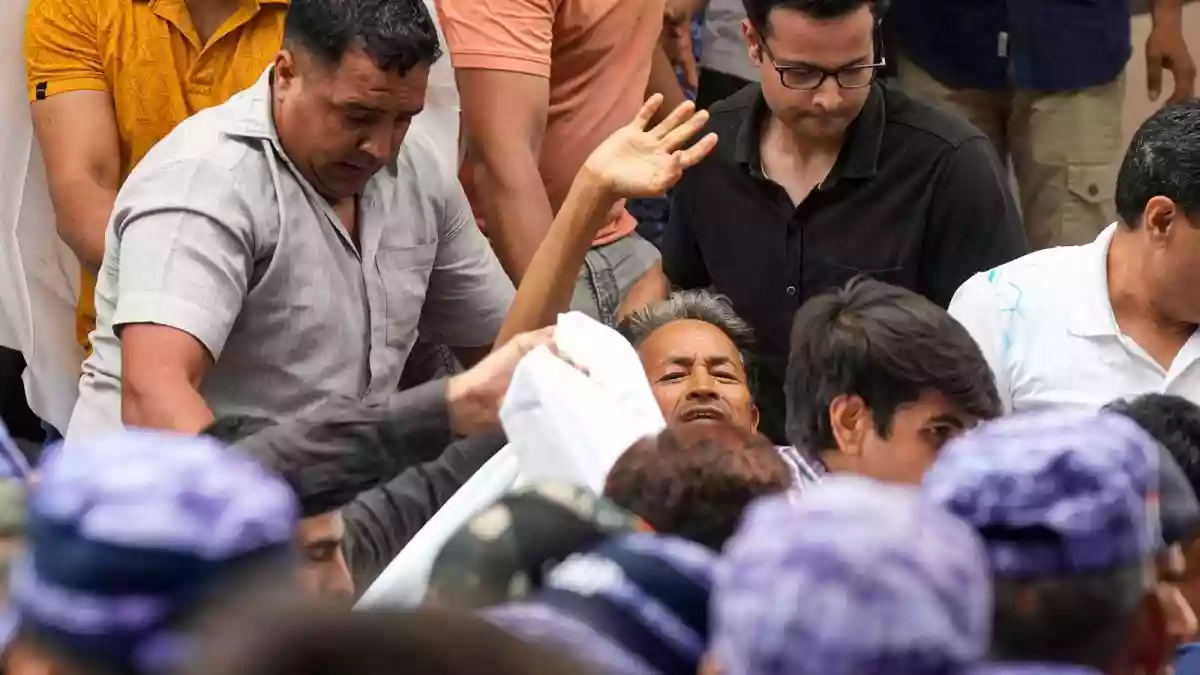
Sonam Wangchuk vows to continue hunger strike as CJP reclaims Jantar Mantar stage
.gif)

Download Mobile App 






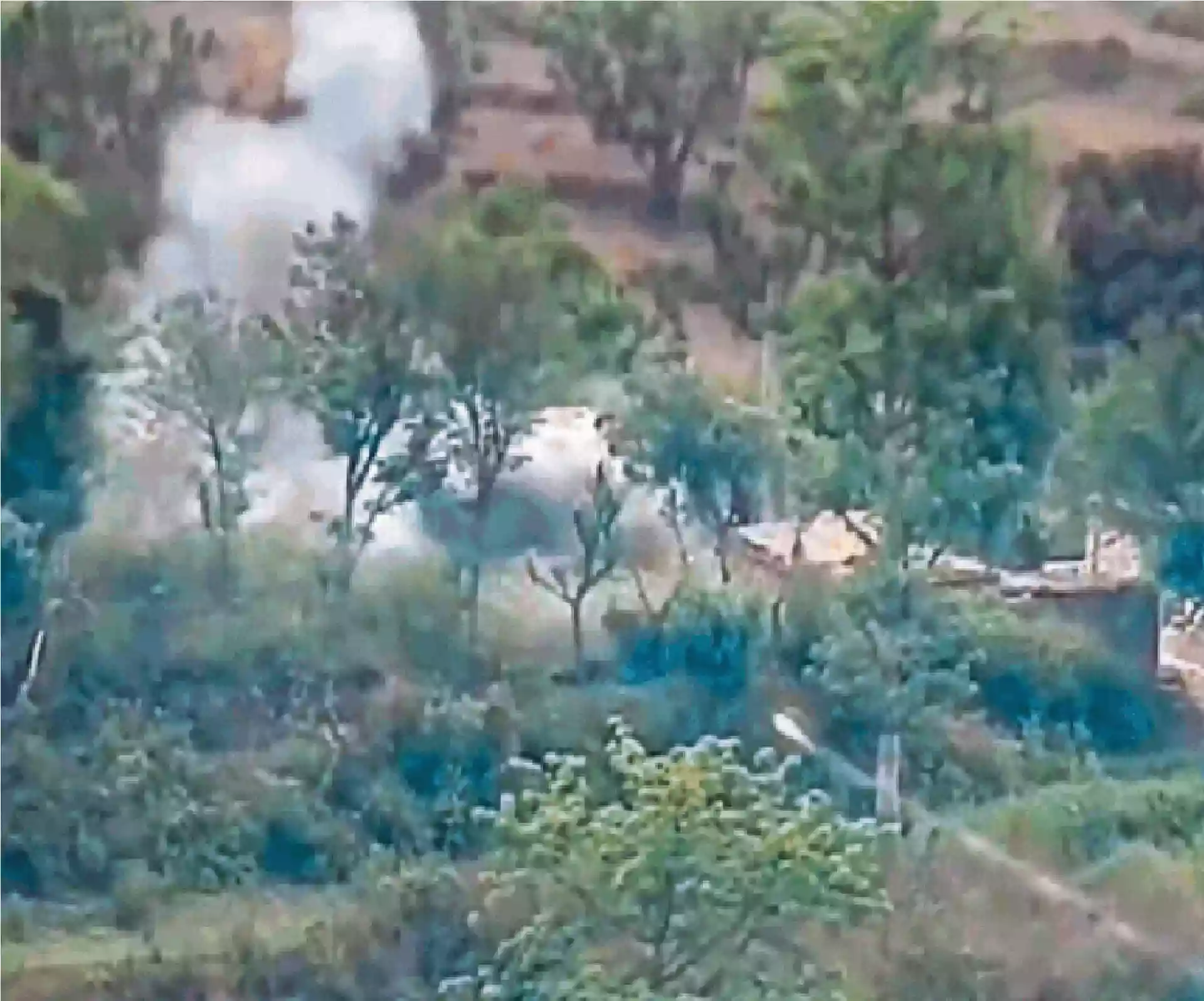
As the chill of a mountain dawn clungs to the jagged ridges of Khyber Pakhtunkhwa's Tirah Valley on September 22, 2025, the fragile hush of a remote village shattered under the roar of JF-17 Thunder jets unleashing eight Chinese-made LS-6 precision-guided bombs on suspected Tehreek-e-Taliban Pakistan (TTP) hideouts, a ferocious counterstrike that left over 30 civilians dead—including women and children—turning mud-brick homes into smoldering craters and igniting a firestorm of grief and fury in this volatile frontier province bordering Afghanistan. The pre-dawn assault, launched amid a surge of TTP ambushes that have claimed dozens of Pakistani soldiers in recent weeks, targeted the hamlet of Matre Dara in Khyber Pakhtunkhwa, where intelligence pinpointed militant lairs nestled among terraced fields and narrow ravines—a high-stakes gamble by Islamabad to decapitate the group's command structure before it could orchestrate more cross-border carnage.
Eyewitnesses, their faces etched with shock as dawn broke over the debris, described the sky erupting in orange flashes, the ground quaking like an earthquake, and families scrambling from collapsed roofs with screams piercing the acrid smoke. This isn't just another skirmish; it's a raw escalation in Pakistan's grinding war against the TTP, emboldened by Afghan sanctuaries, where the line between flushing out terrorists and fraying civilian lives grows perilously thin, leaving a trail of orphaned dreams amid the rubble and raising haunting echoes of past operations that promised security but sowed deeper resentment.Tirah Valley, a labyrinth of mist-veiled peaks and hidden caves in the agency's tribal heartland, has long been the TTP's shadowy redoubt—a place where militants vanish into the fog like ghosts, slipping across the porous Durand Line to strike at will and retreat to safety. Matre Dara, a cluster of about 150 Afridi families eking out lives from apple orchards and goat herding, stood unwittingly in the crosshairs, its madrassa and cluster of homes vaporized in the barrage meant to neutralize three high-value commanders and their ammo caches.
The bombs, each packing 50 kg of explosives, slammed with surgical intent but devastating fallout: a school wall crumbled, burying young scholars in their sleep; a grandmother's kitchen exploded in flames, claiming her and two granddaughters huddled nearby. "The jets came like vengeful spirits—no sirens, no escape," wept survivor Karim Afridi, a 55-year-old farmer whose leg was shattered by shrapnel as he shielded his wife. Rescue efforts, hampered by the rugged terrain, saw locals and army choppers airlifting the wounded to Peshawar's trauma wards, where overworked surgeons tallied the toll: 30 dead, including 12 children, and a village now a ghost town, its survivors fleeing to relatives in Landi Kotal with nothing but the clothes scorched on their backs.
Yet, tribal elders in emergency jirgas dismissed it as overkill, pointing to the absence of uniformed militants amid the civilian toll, their voices rising in a Peshawar protest that drew 500 strong by midday, fists raised against "bombs that know no mercy.". Across the border, Kabul's Taliban regime bristled, summoning Pakistan's envoy with warnings of "reciprocal measures," straining ties already frayed by mutual accusations of harboring foes.For the families of Matre Dara, pieced together from bloodied photographs and frantic phone calls, the loss carved canyons deeper than the valley itself: Noor, a 10-year-old with dreams of becoming a teacher, now a tiny form wrapped in white; her father, a day laborer in Bannu's markets, returning to find his world erased.
Hospitals overflowed with the maimed—burn victims, crushed limbs—while UNICEF teams rushed in with trauma kits and child psychologists, their reports underscoring a grim pattern: Khyber Pakhtunkhwa's 2025 death toll from such operations already tops 200, with civilians bearing 40% of the brunt per local tallies. The TTP, ever opportunistic, seized the narrative in a midnight audio, branding the dead "martyrs of resistance" and vowing "rivers of blood" in revenge, their propaganda videos circulating on encrypted apps to recruit from the dispossessed youth idling in the province's jobless hamlets.
This strike, capping a September blitz that neutralized over 50 militants across Bajaur and South Waziristan, exposes the vicious vortex of Pakistan's counterterrorism quagmire: operations like Zarb-e-Azb in 2014 cleared swaths of territory, but the TTP's 6,000 fighters—swollen by Afghan havens—have roared back, their attacks spiking 50% this year with ambushes claiming 460 lives nationwide. Analysts in Rawalpindi's war rooms fret over intel gaps—drones spot heat signatures but miss huddled families—while human rights voices decry the "drone doctrine's" collateral curse, echoing March's Katlang misfire that orphaned five. Economically, the fallout ripples: disrupted trade routes to the China-Pakistan Corridor hike fuel prices in Peshawar, schools shutter in fear, and remittances dry as kin mourn abroad.
Army Chief Asim Munir, touring the site by chopper, pledged "precision upgrades" like AI-guided munitions, but locals scoff, their trust eroded like the valley's eroded paths—fueling Pashtun Tahafuz Movement rallies that blend grief with calls for autonomy.Yet, in the embers of Matre Dara's dawn, flickers of fragile hope endure: tribal mediators brokering ceasefires with the army for safe passages, NGOs seeding poppy-free farms to undercut TTP funding, whispers of backchannel talks with Kabul to seal the border's sieve. This airstrike, for all its horror, isn't the endnote but a brutal verse in Khyber's endless ballad—where jets scream justice but sow seeds of strife.





.webp)


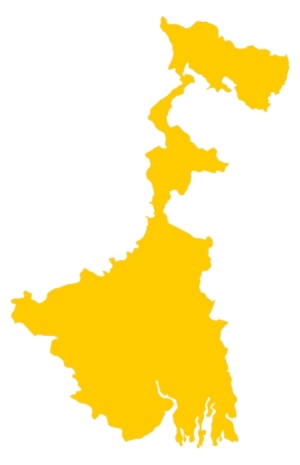 West Bengal
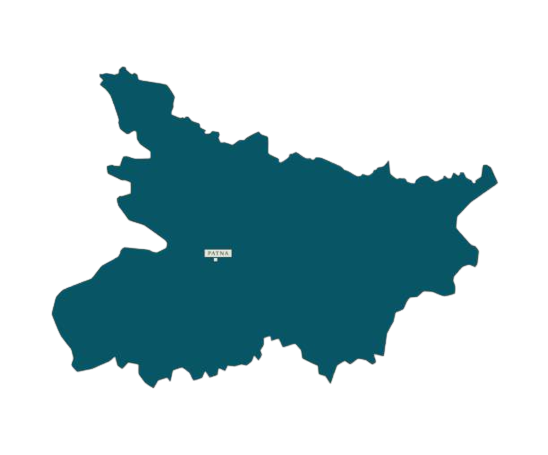 Bihar
Bihar Uttar Pradesh
 Jharkhand